
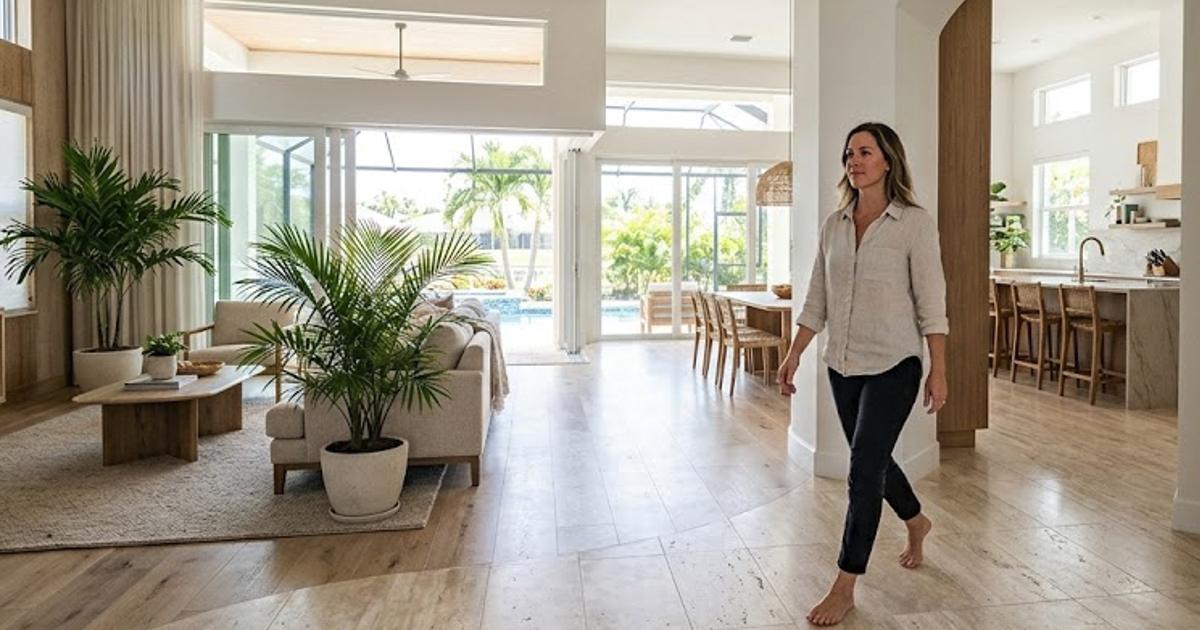

Every home has a rhythm, even if you don’t consciously notice it. The way you move from room to room, how spaces connect, and how comfortable each transition feels is shaped by more than furniture or layout. Flooring plays a major role in creating that sense of flow. It guides movement, defines boundaries, and subtly influences how your home feels as you live in it every day.
At Adonai Carpet & Installation, flooring is never treated as just a surface decision. It is viewed as the foundation of how a home functions. When flooring is chosen intentionally, it creates a smoother, more natural experience of living—one where spaces feel connected instead of fragmented.
Flooring Sets the Direction of Daily Movement
Without realizing it, people tend to follow visual and tactile cues when moving through a home. Flooring helps establish those cues through texture, color transitions, and layout direction. Even subtle design choices can change how open or structured a space feels.
Flooring influences movement by:
- Guiding visual flow between rooms
- Defining pathways without physical barriers
- Creating a sense of openness or separation
- Supporting natural movement patterns in daily life
When these elements work together, a home feels easier to navigate and more comfortable to live in.
Open-Concept Homes Rely Heavily on Flooring Consistency
In many Southwest Florida homes, open-concept layouts are popular for their spacious, airy feel. However, without thoughtful flooring decisions, these spaces can feel disconnected or visually chaotic. Flooring becomes the unifying element that ties everything together.
Consistent or strategically transitioned flooring helps:
- Maintain visual continuity across large spaces
- Reduce abrupt shifts between functional areas
- Enhance the feeling of spaciousness
- Support a more cohesive interior design style
The right flooring choice can make an open space feel intentional rather than undefined.
Texture and Material Affect How a Space Feels, Not Just How It Looks
Flooring is often chosen based on appearance, but the tactile experience is just as important. The feel of flooring underfoot influences comfort, temperature perception, and even how long people naturally spend in a space.
Different materials contribute differently to home flow:
- Soft surfaces create comfort and warmth in relaxed areas
- Hard surfaces support structure and easy movement in active spaces
- Mixed materials can define zones without walls
- Smooth transitions reduce visual and physical interruption
When texture is considered alongside design, the home becomes more intuitive to live in.
Flooring Transitions Shape the Experience Between Rooms
The way one flooring type transitions into another can either enhance or disrupt the flow of a home. Poorly planned transitions create visual breaks that feel abrupt, while well-designed transitions create natural separation without breaking continuity.
Effective transitions:
- Maintain visual harmony between spaces
- Define room purpose without heavy contrast
- Support functional zoning in open layouts
- Improve overall design cohesion
This is where professional installation and planning make a noticeable difference.
Designing Flow Is About Lifestyle, Not Just Layout
Ultimately, flooring is not just a design choice—it is a lifestyle decision. It affects how comfortably you move through your home, how connected your spaces feel, and how naturally your environment supports your daily routine.
When flooring is selected with flow in mind, it becomes more than a surface underfoot. It becomes the quiet structure that holds the entire home experience together, shaping comfort, movement, and connection in every step you take.