

Flooring as Spatial Design Tool
Most homeowners select flooring based on durability, maintenance requirements, and aesthetic appeal, overlooking one of flooring's most powerful capabilities—its ability to fundamentally alter how you perceive room dimensions, ceiling height, and overall spatial quality. The color, pattern, plank direction, and texture of your flooring don't just cover your floor—they create optical illusions that can make small rooms feel expansive, large rooms feel intimate, low ceilings appear higher, and awkward spaces feel proportional. At Adonai Carpet & Installation, we understand that professional flooring selection goes beyond choosing attractive materials to strategically deploying design principles that transform how your Southwest Florida home feels. Whether working with compact condos, sprawling single-family homes, or anything in between, the right flooring choices create spatial experiences that exceed your home's actual square footage.;
Light vs Dark Flooring and Room Perception
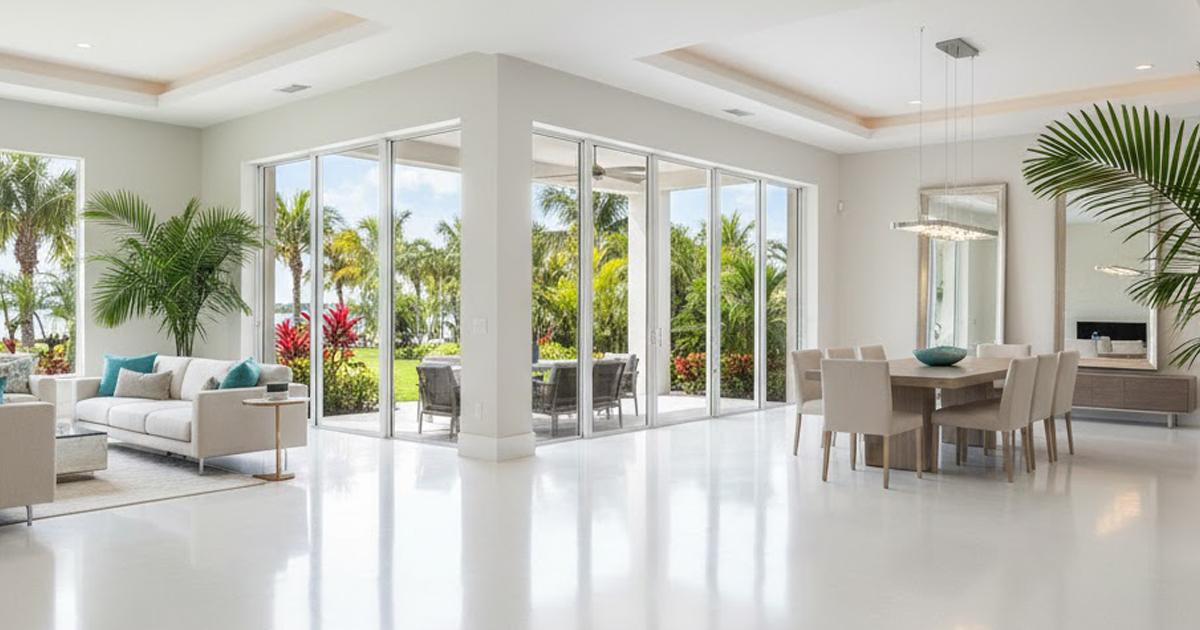
The most fundamental spatial decision in flooring selection involves color value—the lightness or darkness of your floor surface. Light-colored flooring creates the optical illusion of expanded space by reflecting more light throughout the room, making walls appear to recede and boundaries feel less defined. This effect becomes particularly valuable in Southwest Florida's smaller condos and homes where maximizing perceived space matters. Light floors also create visual continuity with walls and ceilings when decorated in similarly light tones, essentially erasing the visual boundary where floor meets wall and making rooms feel boundless. Conversely, dark flooring creates grounding and definition, making large open spaces feel more intimate and purposeful by visually anchoring furniture groupings and establishing clear spatial boundaries. In Florida's bright, sun-filled environments, dark floors provide dramatic contrast that prevents spaces from feeling washed out while adding sophistication and depth. Neither light nor dark is inherently superior—professional flooring selection matches color value to your specific spatial goals and lifestyle preferences.;
Plank Width and Visual Scale
When selecting wood-look flooring—whether genuine hardwood, engineered wood, or luxury vinyl plank—plank width dramatically affects spatial perception in ways most homeowners never consider. Wide planks create fewer seam lines per square foot, generating a sense of expansiveness and contemporary sophistication while making rooms appear larger. This effect works particularly well in Southwest Florida's open-concept living areas where uninterrupted sight lines benefit from the flowing quality wide planks create. However, wide planks can overwhelm very small spaces, making compact rooms feel even more constrained. Narrow planks create more visual detail and traditional character, working beautifully in smaller rooms where their increased seam density provides appropriate scale. Medium-width planks offer versatility, working across various room sizes without the strong spatial effects of very wide or very narrow options. At Adonai Carpet & Installation, we help you select plank widths that complement your room dimensions and architectural style while achieving your desired spatial effects.;
Direction and the Illusion of Length
Flooring installation direction represents one of the most powerful yet underutilized tools for manipulating spatial perception. Planks or tiles running lengthwise down a hallway or room create visual lines that draw the eye forward, making spaces feel longer and creating dynamic movement through your home. This technique works beautifully in Southwest Florida's often-narrow condos and townhomes where maximizing perceived length improves livability. Installing flooring perpendicular to the longest dimension makes rooms feel wider, though potentially shorter—a useful strategy in unusually narrow spaces where width matters more than length. Diagonal installation creates visual interest and can make small square rooms feel larger by disrupting the eye's ability to quickly measure the space. However, diagonal layouts increase material waste and installation complexity, requiring professional expertise to execute properly. In open-concept areas, running flooring in a consistent direction creates flow and unity, while changing direction between spaces can define zones without physical barriers.;
Pattern Complexity and Spatial Effects
Beyond basic plank direction, pattern complexity—herringbone, chevron, basketweave, or random patterns—affects how rooms feel and flow. Simple, straight installations create calm, expansive feelings by minimizing visual complexity and allowing the eye to move freely across surfaces. These layouts work well in contemporary Southwest Florida homes where clean lines and uncluttered aesthetics dominate. Complex patterns like herringbone or chevron create visual interest and traditional elegance but can make spaces feel busier and more contained. These patterns work beautifully in formal areas like entryways or dining rooms where creating destination moments matters more than maximizing perceived space. Random-length plank installations in varied patterns create organic, natural feelings that prevent the monotony of perfectly aligned rows while maintaining the spacious quality of straight installations. Professional installers understand how pattern complexity interacts with room size, furniture density, and overall design style to create appropriate spatial effects.;
Texture and Dimensional Perception
Flooring texture—smooth, hand-scraped, wire-brushed, or heavily textured—influences not just how floors feel underfoot but how spaces are perceived visually. Smooth, glossy surfaces reflect light dramatically, creating illusions of space and brightness while adding contemporary sophistication. However, in Southwest Florida's intense sunlight, highly reflective floors can create glare that becomes uncomfortable, requiring careful consideration of window orientation and treatments. Matte or low-sheen surfaces absorb more light, creating subtle, sophisticated appearances that work well in high-traffic areas where scratches and wear would show prominently on glossy surfaces. Heavy textures add visual weight and tactile interest, making large spaces feel more grounded and intentional while creating non-slip surfaces valuable in Florida's humid climate. These textural choices interact with color, pattern, and direction to create complete spatial experiences—smooth light floors maximize expansive feelings while textured dark floors create intimate, grounded environments.;
Contrast and Boundary Definition
The contrast level between your flooring and walls, trim, and furniture dramatically affects spatial perception. High contrast—dark floors with light walls—creates strong definition that makes architectural features stand out and spaces feel well-proportioned and intentionally designed. This approach works beautifully in Southwest Florida homes with interesting architectural details worth highlighting. Low contrast—floors, walls, and trim in similar tones—creates seamless, flowing spaces where boundaries feel less defined and rooms appear larger and more connected. This approach suits open-concept layouts where visual continuity matters more than spatial definition. Medium contrast offers versatility, providing enough definition to ground spaces without the dramatic effects of high contrast. Professional flooring selection considers contrast holistically, ensuring your floor color works with existing or planned wall colors, trim finishes, and major furniture pieces to create your desired spatial experience.;
Transitions and Flow Between Spaces
How flooring changes—or doesn't change—between rooms profoundly impacts how your home feels spatially. Maintaining consistent flooring throughout multiple connected spaces creates maximum flow and makes homes feel larger by eliminating visual interruptions. This approach works exceptionally well in Southwest Florida's popular open-concept layouts where kitchen, dining, and living areas share space. Changing flooring between rooms creates definition and allows each space to establish its own character, useful in homes where functional areas require distinct identities. However, multiple flooring types can fragment space and make homes feel smaller or choppy if not carefully coordinated. Transition strips between different flooring types either emphasize or minimize these changes—matching transitions create subtle shifts while contrasting transitions highlight boundaries. At Adonai Carpet & Installation, we help you develop comprehensive flooring plans that consider your entire home's flow, ensuring transitions support rather than undermine your spatial goals.;
Special Considerations for Southwest Florida
Florida's intense natural light, indoor-outdoor lifestyle, and coastal aesthetic create unique considerations for flooring-based spatial design. The abundant sunshine streaming through large windows can make light floors appear almost white while intensifying the drama of dark floors, requiring careful evaluation of how colors will appear under Florida's particular light quality. Open floor plans connecting to lanais or pool areas need flooring that transitions smoothly between indoor and outdoor spaces, often using similar tones and textures to create visual continuity that makes indoor spaces feel larger by borrowing outdoor views. Florida's casual lifestyle favors flooring that feels relaxed and inviting rather than formal or precious, influencing pattern and texture choices toward more natural, organic options. High humidity and temperature fluctuations demand flooring materials that maintain dimensional stability, ensuring the spatial effects you create during installation persist rather than being disrupted by warping, cupping, or separation.;
Creating Your Spatial Vision
Understanding how flooring choices affect spatial perception empowers you to transform your Southwest Florida home's livability without moving walls or undertaking major renovation. Whether you want compact spaces to feel expansive, large rooms to feel intimate, or awkward proportions to feel balanced, strategic flooring selection provides powerful tools for achieving these goals. At Adonai Carpet & Installation, we bring professional expertise in spatial design principles combined with deep knowledge of how different flooring materials, colors, patterns, and textures perform in Southwest Florida's unique environment. Our consultation process considers your spatial goals alongside practical considerations like durability, maintenance, and budget, ensuring recommendations that deliver both immediate visual impact and long-term satisfaction. Let us help you select and install flooring that doesn't just cover your floors but transforms how your home feels—making every room work harder, feel better, and exceed what its actual dimensions might suggest possible.