

In Southwest Florida, where humidity hovers above 70% year-round, afternoon thunderstorms arrive like clockwork during summer months, and hurricane season brings legitimate flooding concerns, moisture management isn't just a construction detail—it's essential home protection. While homeowners naturally focus on flooring aesthetics and durability, the invisible infrastructure beneath your floors plays an equally critical role in preventing water damage, mold growth, and structural issues that can compromise your home's integrity and your family's health. Understanding how professional installation techniques create moisture barriers and vapor management systems helps you make informed decisions that protect your investment for decades to come.
Understanding Southwest Florida's Unique Moisture Challenges
Southwest Florida's coastal climate creates moisture conditions that differ dramatically from drier regions where many flooring products are manufactured and tested. Our consistently high humidity means concrete slabs never fully dry, constantly releasing moisture vapor upward through porous surfaces. Afternoon thunderstorms during rainy season can dump several inches in hours, creating standing water around foundations and testing drainage systems. Storm surge from hurricanes and tropical systems can push saltwater into homes, leaving behind corrosive residues that damage flooring and subfloors long after visible water recedes. Air conditioning systems create temperature differentials that cause condensation on cool surfaces when warm humid air infiltrates from outdoors. Even homes without direct flooding face moisture challenges simply from atmospheric humidity that penetrates building envelopes. These conditions mean that flooring installation techniques acceptable in Arizona or Colorado fail dramatically in Southwest Florida, making local expertise absolutely essential for long-term flooring performance.
The Critical Role of Moisture Testing Before Installation
Professional flooring installation in Southwest Florida begins with comprehensive moisture testing—a step that inexperienced installers often skip with disastrous consequences. Concrete moisture testing uses calcium chloride tests or relative humidity probes to measure moisture levels within slabs, determining whether conditions are suitable for specific flooring types. Wood subfloor moisture testing identifies problems before they're covered by new flooring where they'll continue deteriorating unseen. Ambient humidity measurement helps determine whether environmental conditions are appropriate for installation or whether dehumidification is needed first. These tests provide objective data that guides material selection and preparation strategies, preventing situations where beautiful new floors buckle, cup, or delaminate within months because underlying moisture issues weren't addressed. At Adonai Carpet & Installation Inc., we never skip moisture testing regardless of what homeowners or previous contractors claim about their slabs being "dry enough"—we verify conditions with professional-grade equipment and refuse to install over substrates that don't meet manufacturer specifications for moisture levels.
Vapor Barriers: Your Floor's First Line of Defense
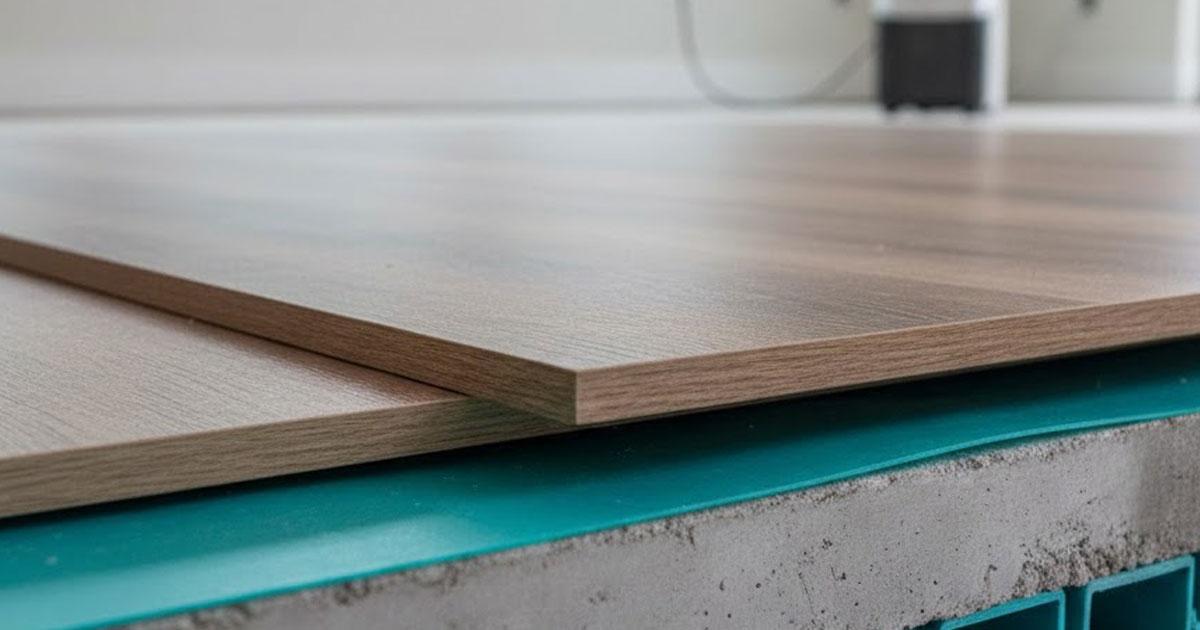
When concrete slabs show elevated moisture levels—which most Southwest Florida slabs do—vapor barriers become essential protective layers between substrate and finished flooring. Sheet vapor barriers made from thick polyethylene create continuous moisture blocks when properly lapped and sealed at seams, preventing moisture transmission from below. Moisture mitigation coatings bond directly to concrete, creating impermeable barriers that allow flooring installation over previously unsuitable slabs. Two-part epoxy moisture barriers handle the highest moisture transmission rates, often specified for luxury vinyl, engineered hardwood, and laminate installations. Integrated underlayments combine vapor barriers with cushioning and sound dampening in single products that streamline installation. The key is selecting barriers appropriate for your substrate's specific moisture levels and your flooring type's requirements—manufacturers provide clear specifications, but only professional installers have the expertise to interpret these requirements and select appropriate solutions. Improper or inadequate vapor barriers are the leading cause of flooring failure in Southwest Florida, making this invisible layer perhaps the most important investment in your entire flooring project.
Subfloor Preparation That Prevents Future Problems
Even with excellent vapor barriers, subfloor condition directly impacts flooring performance and longevity. Concrete slabs require proper flatness—typically within 3/16 inch over 10 feet for most flooring types—to prevent lippage in tile, unlocking in floating floors, and uneven wear in resilient surfaces. Low spots require leveling compound to create proper substrate, while high spots need grinding to achieve specifications. Cracks wider than hairline require filling to prevent telegraph-through and movement that damages flooring above. Existing adhesive residues from previous flooring must be completely removed since they can interfere with new adhesive bonds or prevent vapor barrier adhesion. Wood subfloors need evaluation for rot, insect damage, squeaks, and improper fastening—issues that only worsen once covered by new flooring. All subfloors require thorough cleaning to remove dust, debris, and contaminants that prevent proper adhesive bonds. Professional installers invest hours in subfloor preparation that homeowners never see, but this invisible work is exactly what separates installations that last decades from those that fail in years.
Acclimation: Allowing Materials to Adjust to Your Environment